
Homegrown Seafood: Celebrating National Seafood Month

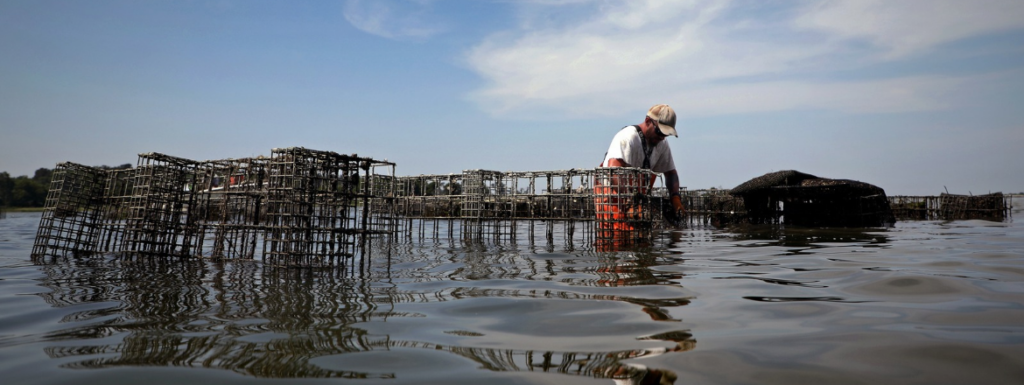
Autumn may be pumpkin spice and apple cider season, but we have a tastier food group to enjoy this October: seafood! Celebrate National Seafood Month with us as we spotlight sustainable, farm-raised seafood and the producers who make it possible. Members of the Aquaculture Information Exchange are no strangers to the milestones U.S. aquaculture has made in the seafood industry. That’s why this month we’re highlighting resources, recipes and stories that make our seafood delicious and our bellies full.
Where Our Seafood Starts
The United States is a global leader in sustainable fisheries management, and 2026 marks a milestone in that story. In 1976, Congress passed the Magnuson-Stevens Act, a landmark law that set the nation on a course toward sustainably and cooperatively managed marine resources. Now, 50 years later, the act has prevented overfishing, rebuilt 52 stocks, protected essential fish habitats and supported sustainable seafood and coastal economies.
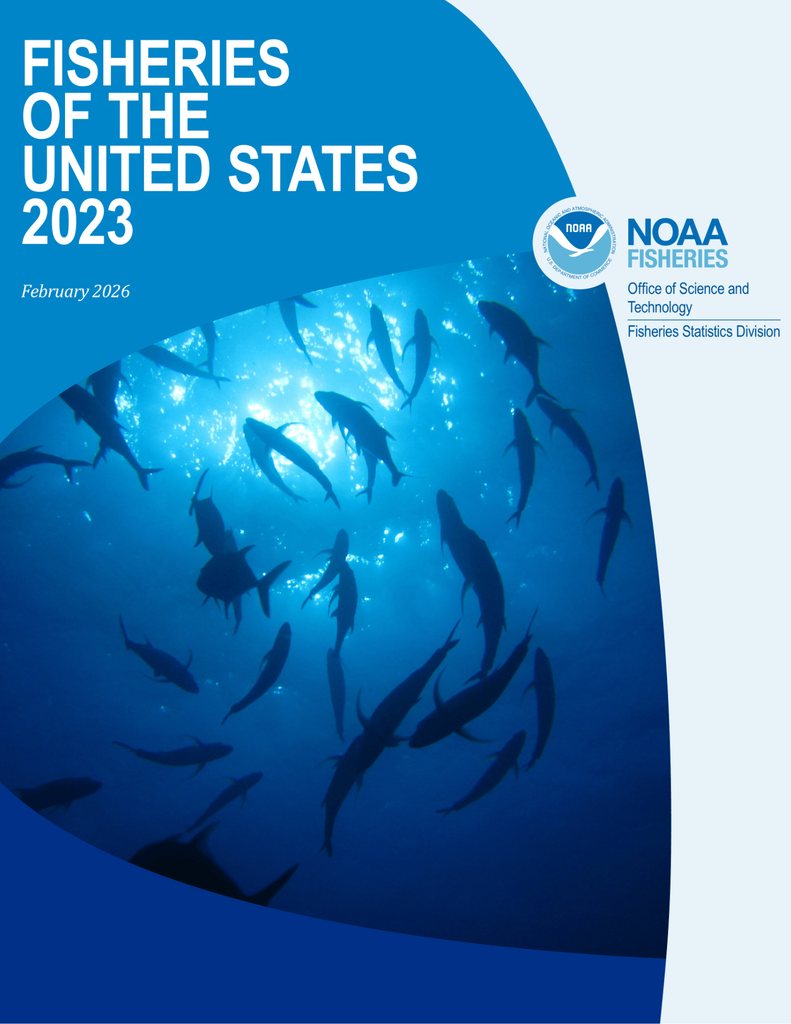
Aquaculture plays a major role in supporting sustainable seafood. According to NOAA Fisheries’ latest Fisheries of the United States report, in 2023 marine and freshwater farmers produced an estimated 688 million pounds of seafood valued at $1.3 billion. Because of the aquaculture industry’s focus on high-value products, that total represents 25% of the value of U.S. seafood products.
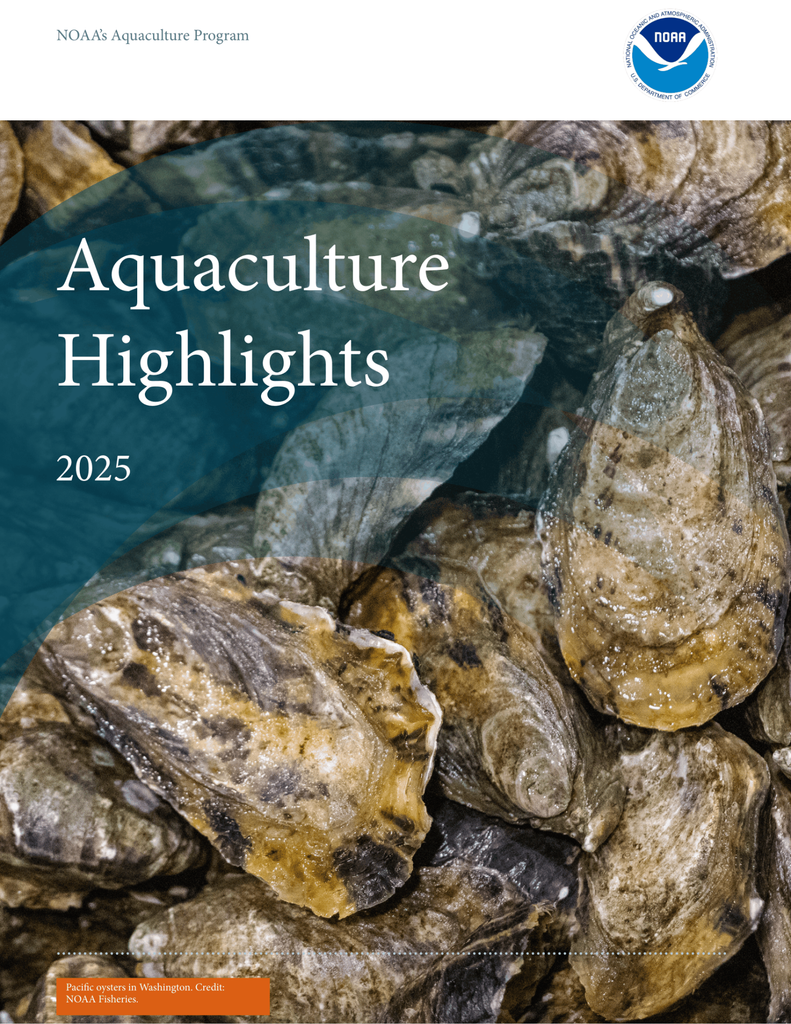
What are the leading farmed species? Oysters, clams, Atlantic salmon, red drum and shrimp remain the cornerstones of marine aquaculture production. But these species aren’t the only champions of farmed seafood. In 2025, NOAA identified 13 Aquaculture Opportunity Areas totaling more than 21,000 acres in federal waters of the Gulf of America and off Southern California that may be suitable for commercial aquaculture operations. These milestones and more are what make U.S. aquaculture significant, and the growers, researchers and educators behind them are right here in the AIE community.
How AIE Members Like Their Seafood
Members of the Exchange know seafood from farm to table, so we asked a few of our seafood lovers how they enjoy farm-raised favorites. Read on to discover how AIE members take their seafood.
What’s your favorite way to enjoy oysters?

Sam Glover, research and development manager at Oyster Seed Holdings Inc.
“There’s nothing quite like sitting at a picnic table at The Hatchery with a tray of fresh oysters. I like them raw with our chef’s incredible custom mignonettes or roasted with our mouthwatering flavored butters!”

Stuart Thomas, aquaculture specialist at Washington Sea Grant
“There is something pleasing and unique about a perfectly shucked raw oyster. It’s iconic, beautiful and an ocean experience like no other. How fun is it that every bay brings a different tasting experience? It’s a never-ending flavor exploration!”
Why do you love sustainable seafood?

Mark Tagal, co-founder of Tagal Oceanic
“Making sure we eat sustainable seafood is becoming more and more important. We need to protect the resource, we need to create healthy seafood through aquaculture techniques, and we need to preserve the environments where that seafood grows. I love seafood, and I want to make sure that it’s something people can continue to enjoy for generations to come.”
What’s the most memorable meal or moment that deepened your appreciation for seafood?

Lisa Tagal, co-founder of Tagal Oceanic
“Seafood has always been the music to the video of my life’s best moments — eating all-you-can-eat fish and chips after soccer practice with my dad, tossing the last bite of fish in the air for the flying seagulls to eat while on the Sound ferry and deciding over fish and chips that Mark and I were going to spend our lives together. Taking my grandsons to feed those same seagulls and enjoy our local catch brings those memories full circle. Seeing them fall in love with our shorelines and already become tiny ocean stewards is a memory I will never forget and gives me purpose to keep our seafood sustainable.”
What’s your favorite seafood recipe? Share your signature dish and we’ll add it to our growing library! Click the button below to share your favorite today.
Four Sustainable Practices for National Seafood Month
- Prioritize sustainable U.S. seafood: Responsible seafood farming is increasingly recognized as one of the most environmentally sustainable ways to produce food and protein. Look for U.S. farm-raised options at your market and ask where your seafood comes from.
- Try seafood options sourced from your region: Working waterfronts are what make aquaculture practices so successful. Discover the merroir of your region when enjoying fresh seafood options.
- Discover the merroir of seafood from different regions around the country: Going on a road trip? Expand your horizons by trying flavors and species you don’t normally reach for.
- Support the people who grow it: Many farms and hatcheries offer tours and events that champion their aquaculture products. Check with the producers near your working waterfronts about how to get involved. Plus, shop at farmers markets and seafood markets and thank the producers.
Explore Seafood on the AIE
Resources
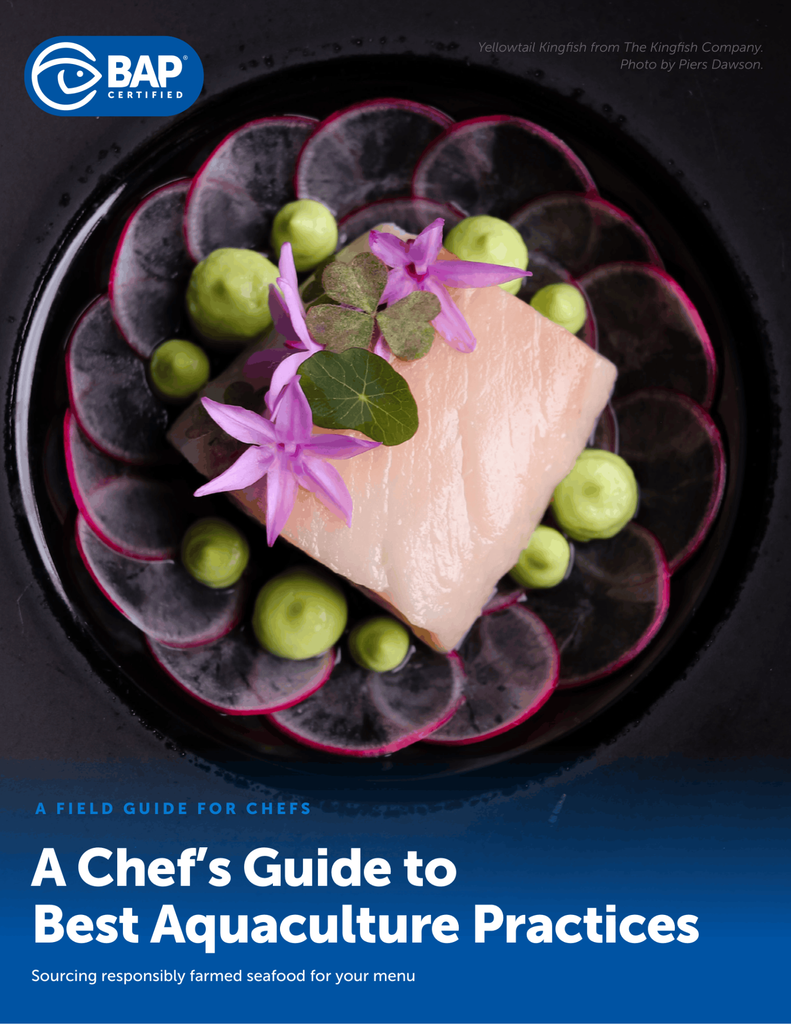
Want to learn more about the science, policy and investment side of U.S. seafood? Check out the resources below or visit our Document Library for more insights from seafood experts.
Recipes
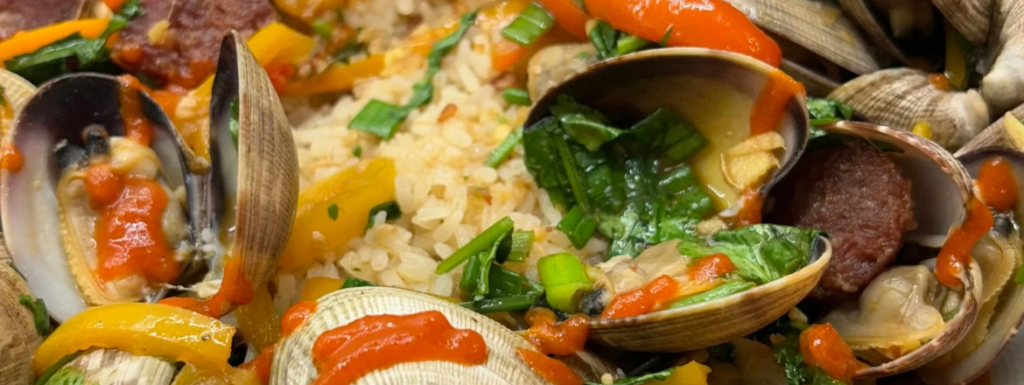
Looking for dinner inspiration? Try these seafood recipes shared by AIE members, or browse our Recipe Library for more ideas.
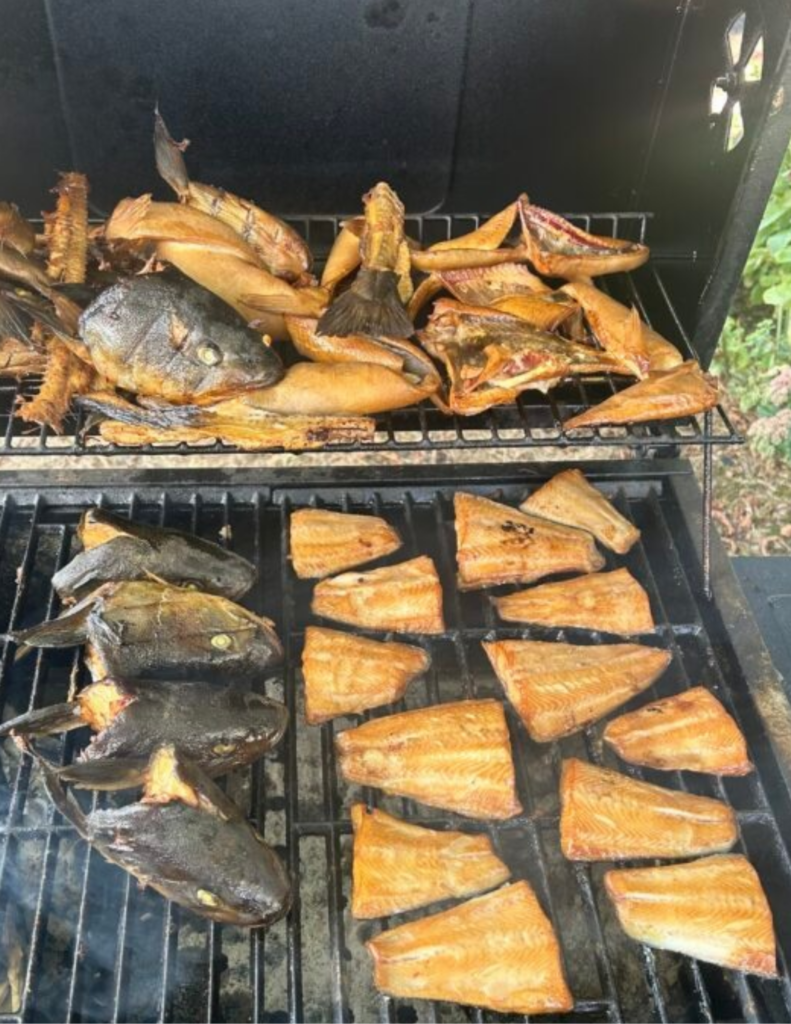
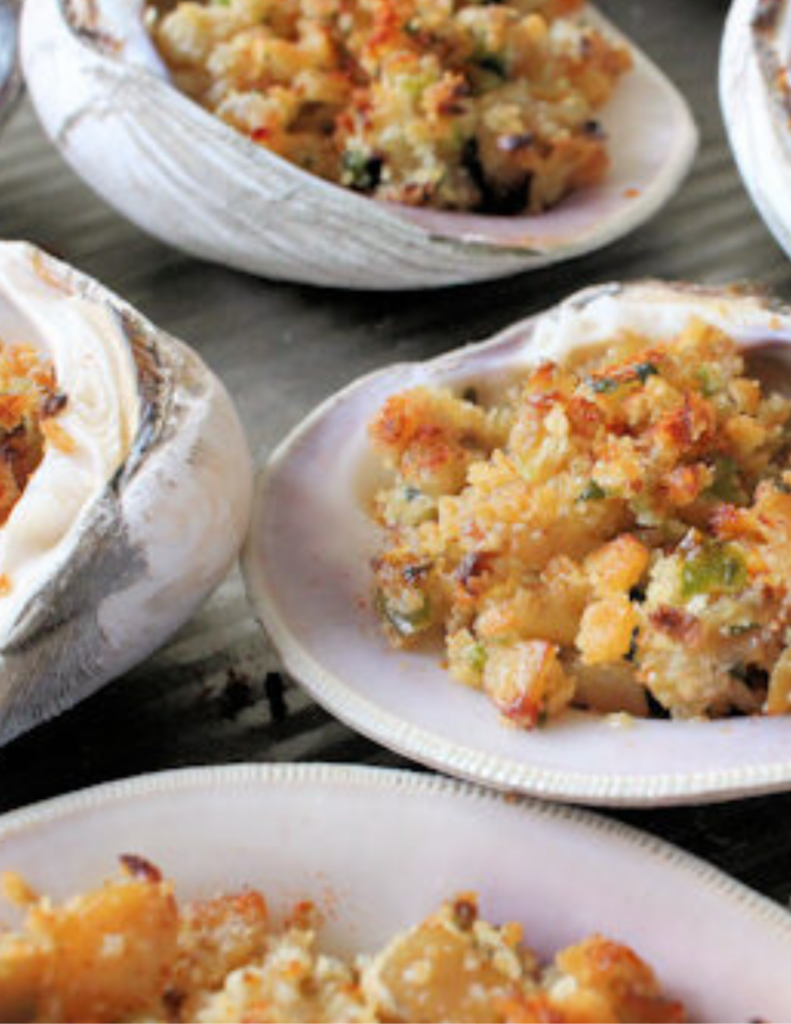
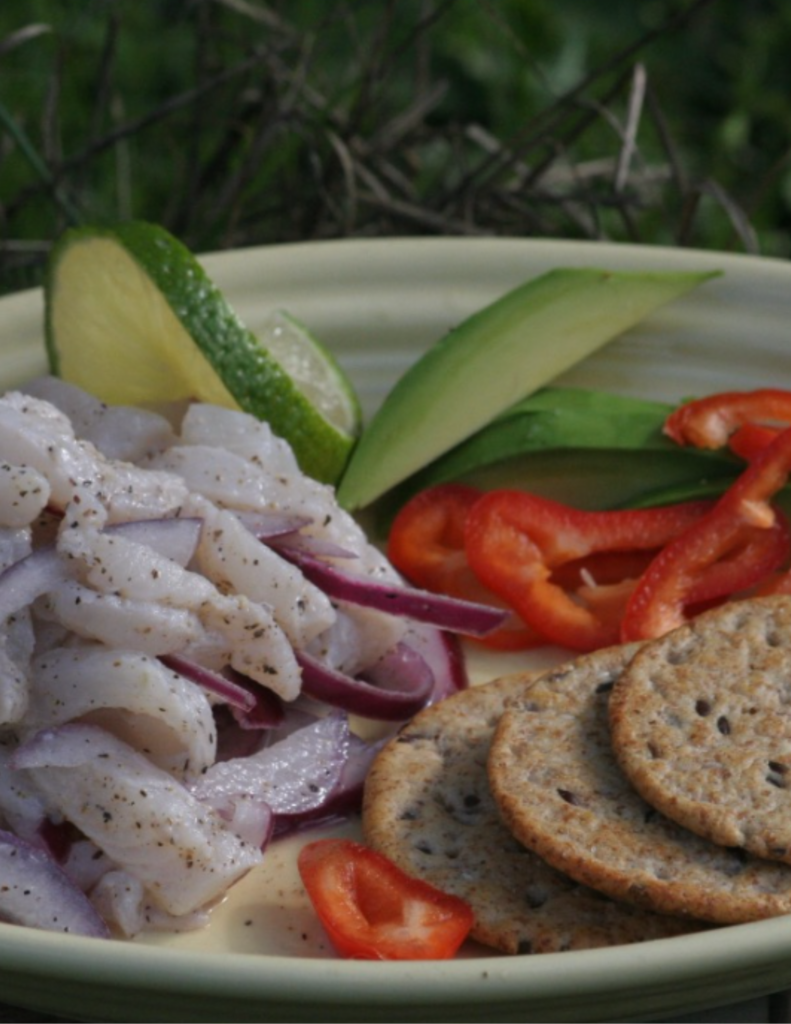
Join the Seafood Lovers group for more seafood conversation and share your favorite recipes. Plus, share your own to add to the Recipe Library!
National Seafood Month is about more than celebrating delicious seafood. It’s an opportunity to recognize the importance of U.S. aquaculture, thank the farmers who help produce sustainable seafood and appreciate the many ways seafood farming strengthens our environment, economy and coastal communities.
Happy National Seafood Month from the Aquaculture Information Exchange! Share your favorite experiences, recipes or photos in the comments below.
Responses