
Celebrating Aquaculture Week: Farming from Tide to Table

Join us for Aquaculture Week to learn how marine aquaculture—or farmed seafood—produces healthy seafood, creates jobs on the water, and supports coastal resilience.
Welcome to National Aquaculture Week, when we celebrate increasing our access to fresh seafood while protecting coastal resources. Seafood farming, when done responsibly in American waters, can produce healthy seafood in harmony with the environment. Aquaculture techniques can also bolster wild fisheries and help restore protected species.
This Aquaculture Week, meet the community expanding access to fresh, environmentally conscious American seafood. Aquaculture goes far beyond harvesting—it creates vital jobs, supports coastal communities, and safeguards marine environments, all while putting food on our dinner tables.
Farmed Seafood from Tide to Table
This year, we are highlighting five exceptional growers who represent the diversity of the aquaculture industry. From oysters and urchins, to kelp and redfish, these features highlight just a few of America’s outstanding aquaculture growers.
Meet Hawaii Fish Company, Tilapia Farmers in Hawaiʻi
“We see ourselves as part of the larger farming community in Hawaiʻi who are working hard to build Hawaii’s capacity to provide locally grown food. It is our hope that our farm can serve as an example of diversified, innovative aquaculture that instills in others an appreciation and excitement for farming in Hawaii.”—Ron Weidenbach, owner, Hawaii Fish Company

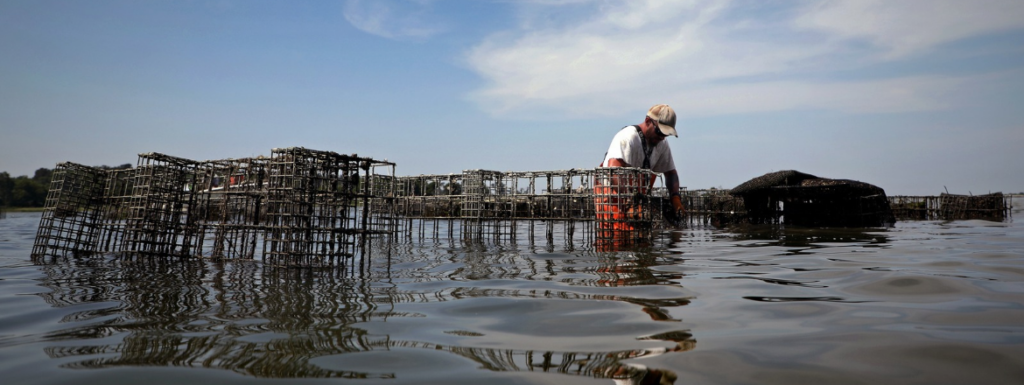
Meet The Great Marsh Shellfish Company, Oyster Growers in Massachusetts
“The act of growing oysters isn’t just about the oysters themselves. It’s about creating something that benefits the environment, supports our community, and provides high-quality food for the future.” —Brenden Doyle, owner, Great Marsh Shellfish Company
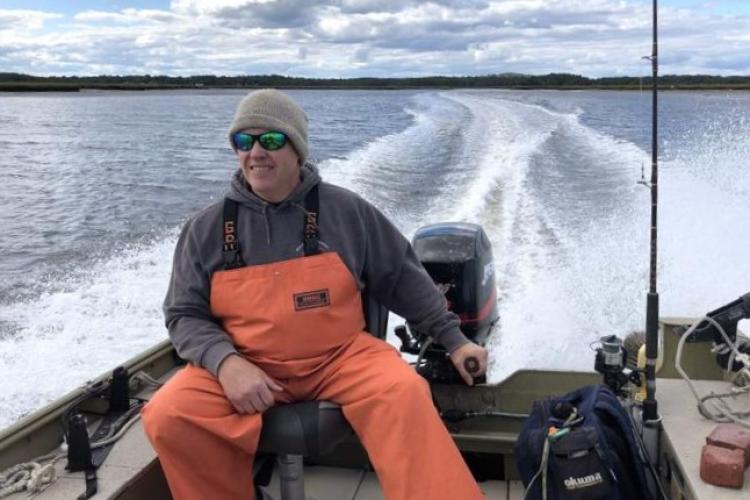
Meet Alaska Sea Greens: Farmers, Fishers, and Homesteaders on Kodiak Island
“Salmon brought us to this corner of the world. I think it’s pretty amazing that our fishing skills, our boats, our knowledge of lines and knots, all transfer to kelp farming!” —Adelia Myrick, co-owner, Alaska Sea Greens
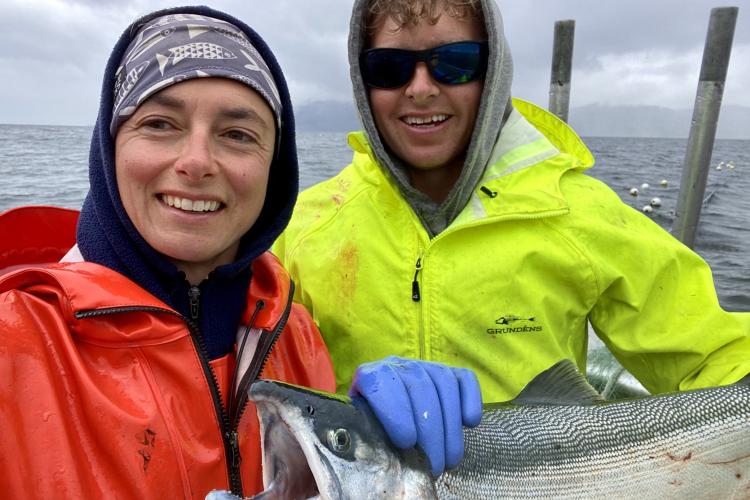
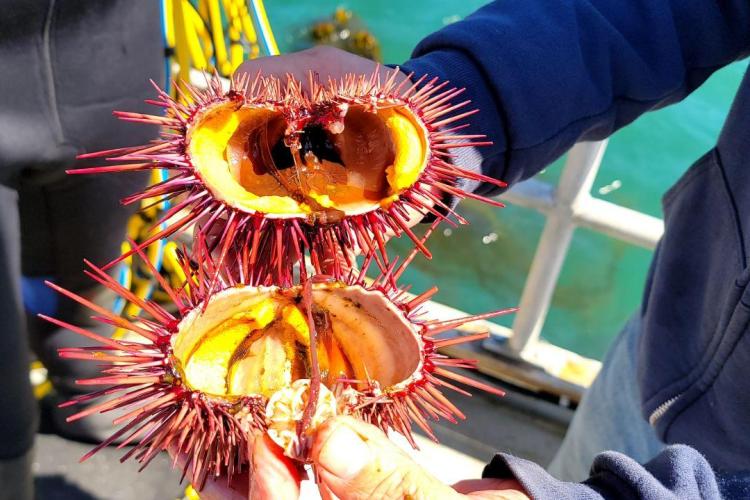
Meet OoNee, Sea Urchin Ranchers in Oregon
“We are creating a commercial reason to harvest these dormant urchins and proving that aquaculture can work in tandem with kelp forest restoration.” —Aaron Huang, owner, OoNee Sea Urchin Ranch
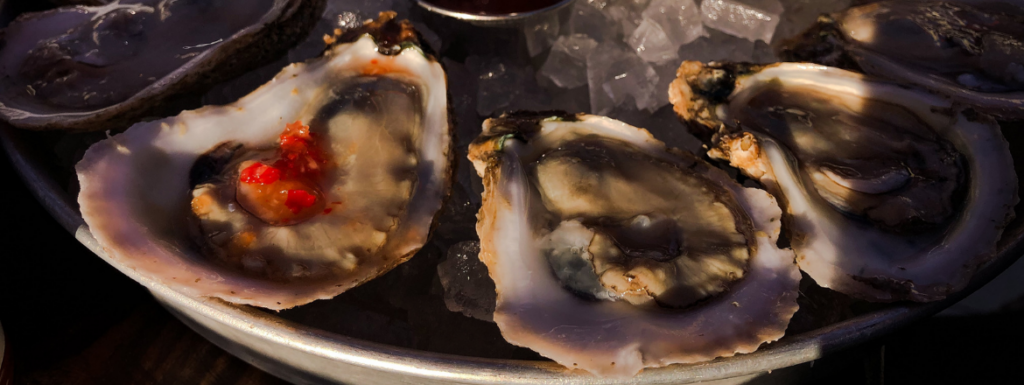
Meet Hollywood Oyster Company, Oyster Farmers in Maryland
“These are historic oyster waters and the river is optimal for oyster growth—deep and wide with great flow, and since it has no industry on it, it is very clean. And the oysters are delicious.” —Tal Petty, owner, Hollywood Oyster Company
More Aquaculture Features
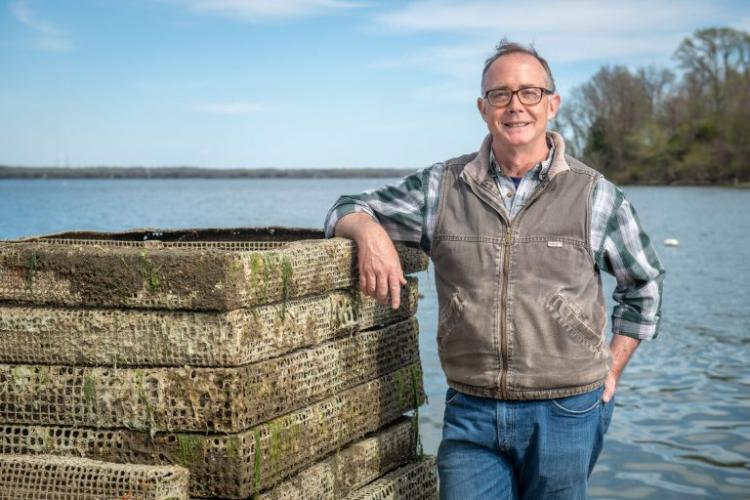
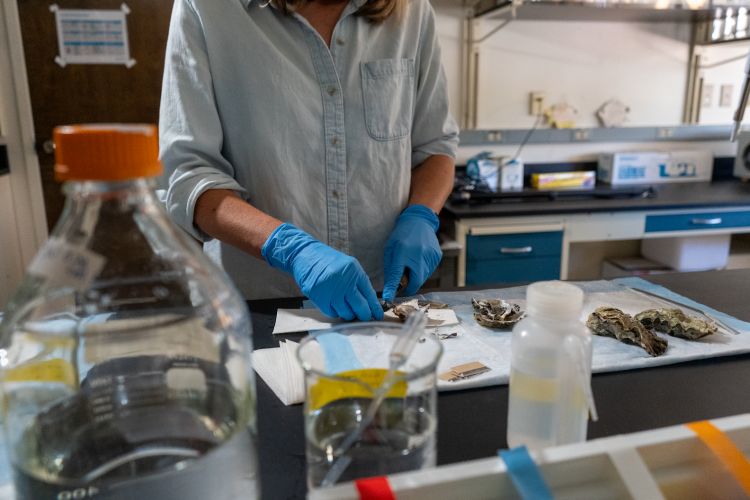
Cells and Shells: New Research into Early Oyster Development Gives Insight into Potential Sterility Methods
A new study could pave the way for new oyster sterility induction techniques, creating hardier and more resilient oysters.
Read the story on new research on early oyster development >
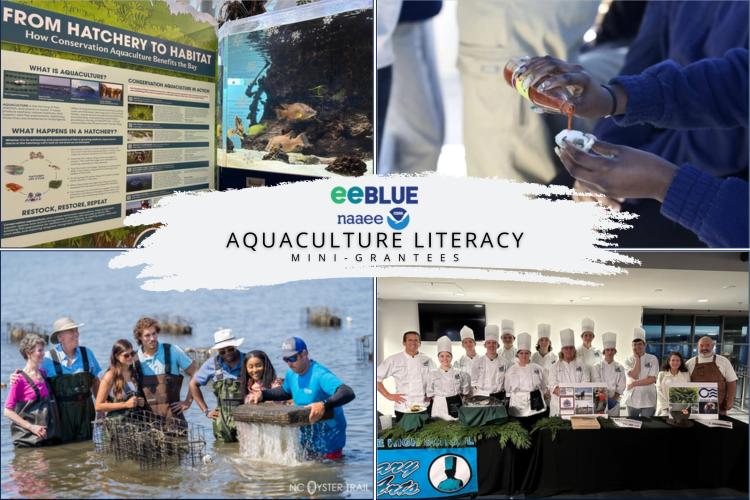
How Small Programs Are Educating Communities About Farmed Seafood
Innovative aquaculture education projects are finding new ways to connect communities to seafood.
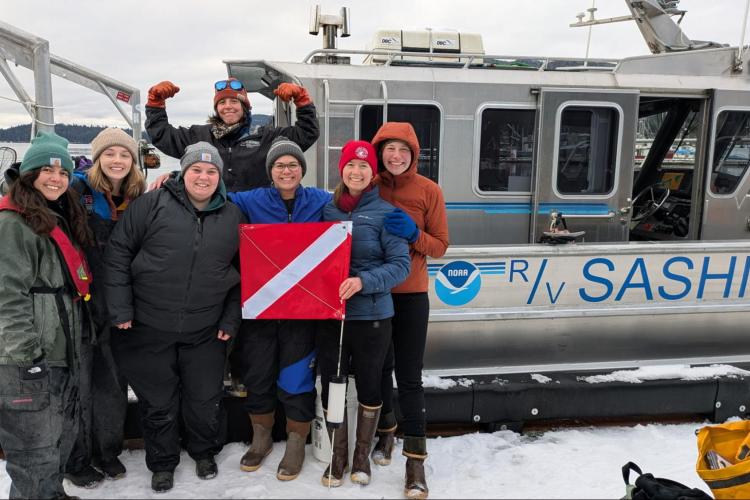
Do Kelp Farms Provide Habitat for Animals in Alaska?
Scientists teamed up to investigate how kelp farms may provide novel habitat for fish and invertebrate species.
Learn how scientists are investigating if kelp farms provide habitat for animals in Alaska >
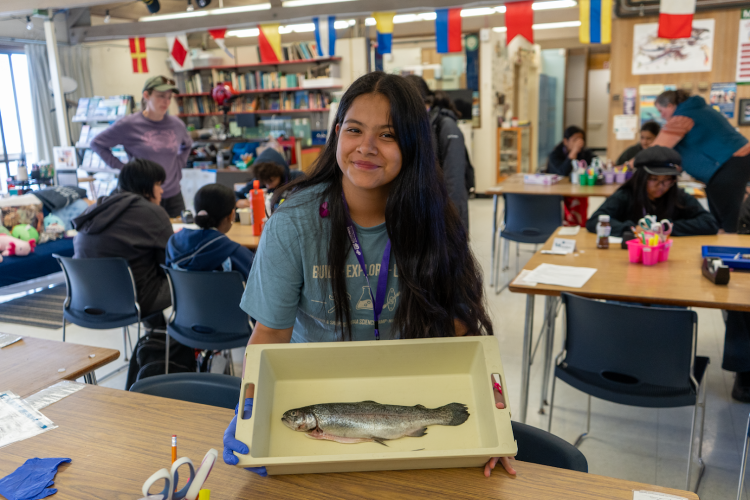
Cultivating Curiosity at Aquaculture Science Camp
Wade into a week of scientific discovery with students exploring marine science through aquaculture.
Read how NOAA’s aquaculture science camp cultivates curiousity >
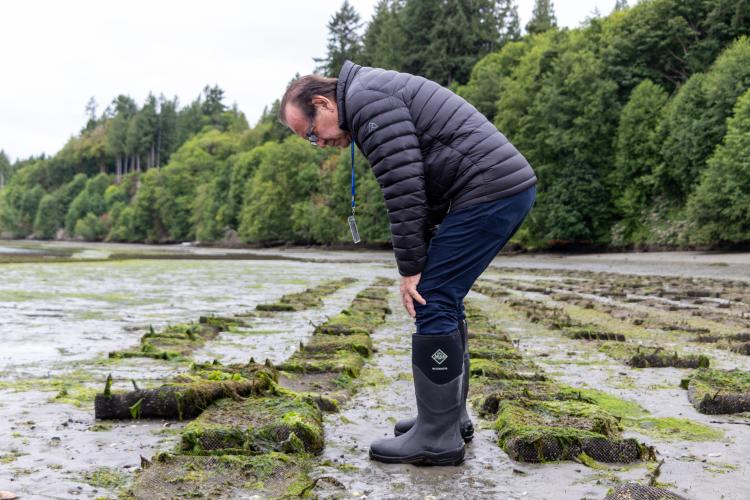
Video: Home Sweet Oyster Cage
Researchers at the Northeast Fisheries Science Center’s Milford Lab investigate shellfish growers’ reports that aquaculture gear attracts fish. Using GoPro cameras and eDNA analysis, they found that the cages provide critical habitat for a variety of fish at all life stages.
Managing Genetic Risk in Offshore Aquaculture
Three science advice publications help growers adopt best practices for farming healthy seafood while protecting wild populations.
Learn more about managing genetic risk in offshore aquaculture >
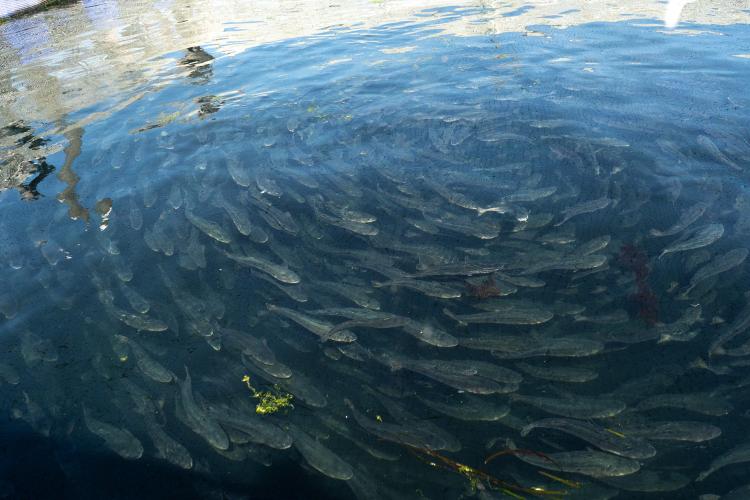
Helping Growers Permit Aquaculture Farms on the West Coast
To help West Coast seafood farmers get the permits they need, NOAA developed a series of guides to help growers navigate state, federal, and local aquaculture permitting.
Learn more about helping growers permit aquaculture farms on the West Coast >
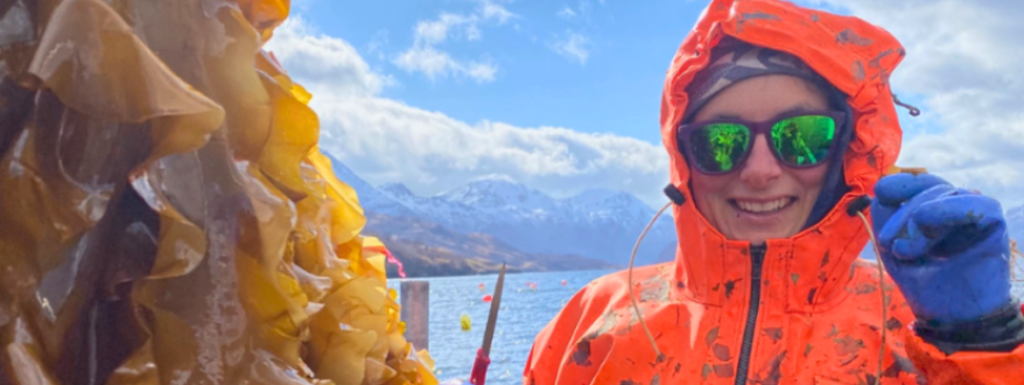
This article is a repost from NOAA Fisheries. Featured image caption: Adelia Myrick harvesting kelp on her farm in Kodiak, Alaska.
If you would like your blog, newsletter or writing to be featured on the AIE, contact us.
Responses